What Happens If a Cruise Ship Ignored Weather Warnings?
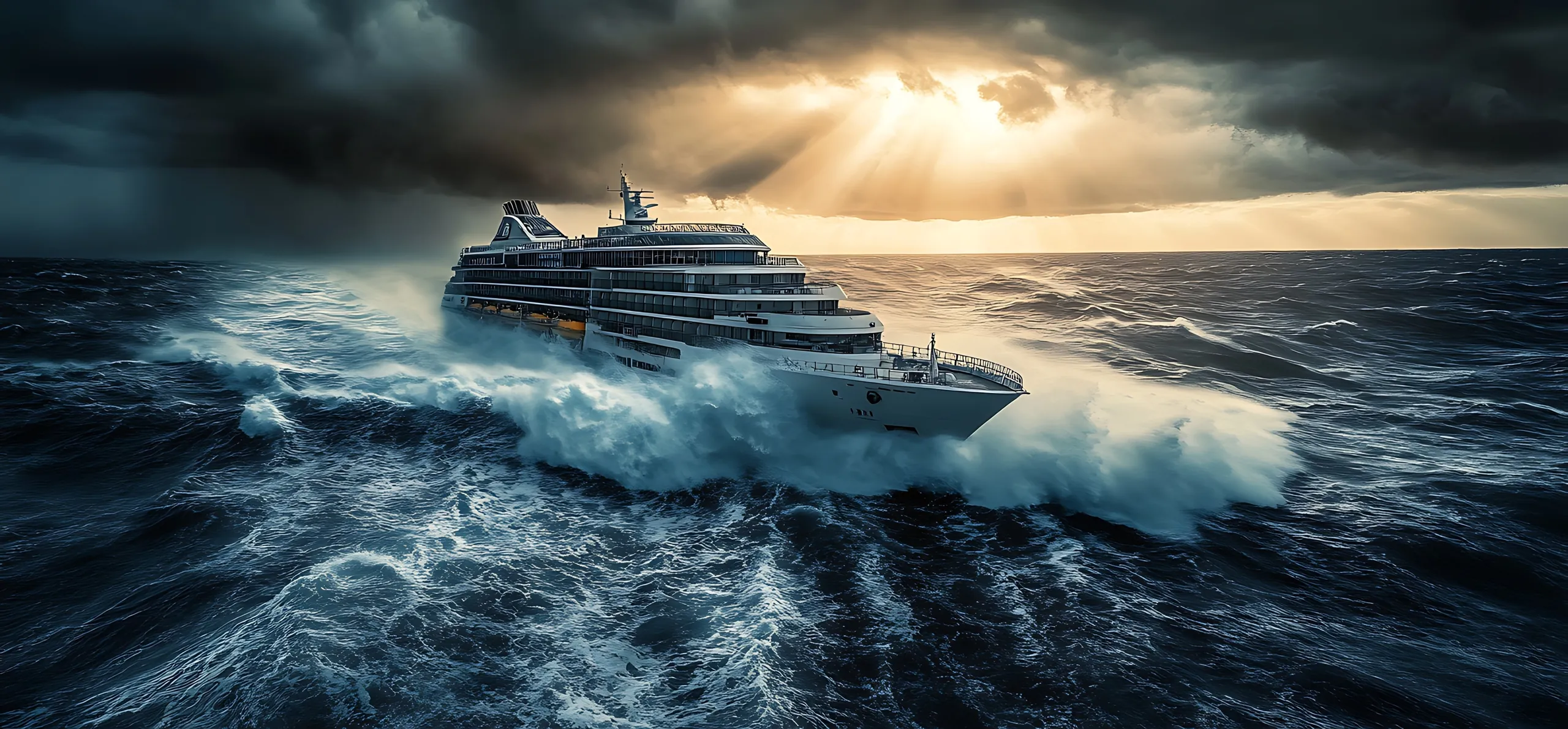
Cruises are often seen as floating paradises—relaxing, luxurious escapes from everyday life. But what happens when the very company responsible for your safety knowingly sails into dangerous weather? Cruise ship weather negligence is a growing concern among travelers, attorneys, and regulators.
Recent reports and lawsuits have uncovered disturbing trends: ships ignoring storm warnings, captains failing to reroute, and passengers being subjected to chaos at sea—all of which raise serious legal and safety issues.
This article explains your legal rights, the responsibilities of cruise lines, and how you can seek justice if you’ve been impacted by storm-related cruise negligence.
Why Weather Protocols at Sea Are Critical
Modern cruise ships are equipped with advanced meteorological technology. Captains receive continuous weather updates from sources like the National Oceanic and Atmospheric Administration (NOAA), satellite systems, and private weather services.
Despite this, ships have been documented sailing into storms after clear alerts were issued. The consequences include physical injuries, damage to vessels, panic onboard, and legal liability for cruise operators.
What’s at Stake When Protocols Are Ignored
Adhering to storm protocols is essential for multiple reasons:
- Protects passenger and crew safety.
- Prevents unnecessary property damage.
- Ensures compliance with maritime law.
- Minimizes legal exposure for cruise companies.
By ignoring marine weather warnings, cruise operators violate both ethical standards and potentially legal obligations.
Real Cases of Cruise Ships Ignoring Storm Warnings
The Carnival Sunshine Incident
One of the most cited examples is the Carnival Sunshine in 2022. Despite NOAA storm warnings, the cruise ship encountered violent weather off the Southeast U.S. coast.
Passengers reported flooded cabins, injuries, and extreme fear during the ordeal. Video footage showed unsecured furniture crashing across decks, and terrified passengers clinging to railings.
Aftermath and Passenger Reactions
Post-cruise investigations raised serious concerns:
- Why wasn’t the ship rerouted?
- Why didn’t the captain communicate clearly with passengers?
- What safety protocols failed during the emergency?
Several lawsuits were filed, with claims including physical injury, emotional trauma, and gross negligence.
Legal Responsibilities of Cruise Lines and Captains
Cruise lines and captains have a legal duty of care under international maritime law. This means they must take reasonable steps to ensure passenger safety—especially when predictable hazards like hurricanes or tropical storms are involved.
What the Law Requires
Key legal concepts include:
- Negligence: Failure to act with reasonable care.
- Duty of Care: Legal obligation to prevent foreseeable harm.
- Liability: Legal responsibility for the consequences of one’s actions.
Captains must follow NOAA or other certified marine alerts. Cruise lines must ensure company policies prioritize safety over rigid adherence to schedules.
When Cruise Companies Can Be Held Liable
Negligence may apply if:
- The cruise had weather alerts in advance.
- The route was not altered or delayed.
- Passengers were not warned or protected adequately.
- Injuries or trauma resulted from the decision to sail.
Both the ship’s command and the corporate operators may be found legally responsible under U.S. and international law.
What Rights Do Passengers Have?
Many passengers don’t know they can take legal action if they are harmed due to weather-related negligence.
Passenger Legal Protections
Passengers have the right to:
- Travel in safe conditions.
- Receive timely warnings about known hazards.
- File claims for physical and emotional injuries.
- Pursue lawsuits if negligence or breach of duty occurred.
Legal action is especially viable when it can be proven that the cruise line or captain had access to storm warnings and ignored them.
Red Flags That Signal Weather Negligence
Cruise weather negligence is often evident in hindsight—but there are warning signs passengers can recognize during or after an incident.
Key Indicators Include:
- Ship continues sailing despite severe weather forecasts.
- NOAA or other storm warnings were issued but not acted upon.
- The captain failed to reroute or reduce speed appropriately.
- There was little or no communication with passengers.
- Emergency instructions or preparations were inadequate.
Each of these signs can support a negligence claim if injury or trauma occurred during the cruise.
How to Protect Yourself Before and During a Cruise
Many travelers don’t think about legal risk when booking a cruise, but taking a few smart precautions can protect you in case of bad weather.
Before You Book
- Research the cruise line’s history with storm incidents.
- Read their policies on weather, cancellations, and rerouting.
- Ask about safety procedures and access to real-time weather updates.
During the Cruise
- Pay attention to ship announcements and crew behavior.
- Document anything unusual or concerning during bad weather.
- Keep a journal or voice memo about what was said, when, and by whom.
Consider Travel Insurance
Purchase travel insurance that covers:
- Weather-related cancellations or delays.
- Medical emergencies during cruises.
- Trip interruptions due to force majeure events.
While insurance doesn’t protect against negligence, it can help recover financial losses if the cruise goes off course.
What to Do If You Believe Negligence Occurred
If your cruise sailed into a storm and you experienced injury, distress, or loss, you may have a legal case.
Steps to Take
- Document everything: Take photos or videos of damages, conditions, or injuries.
- Get medical attention: Seek care onboard and when you return home.
- Save communications: Emails, text alerts, and public announcements are critical evidence.
- Speak with other passengers: They may be willing to support your claim.
- Contact a maritime attorney: Only a legal expert can determine if you have a strong case.
Many maritime lawyers offer free consultations. Don’t assume the waiver in your cruise contract protects the cruise line from being sued. It likely doesn’t apply in cases of gross negligence.
Frequently Asked Questions About Cruise Ship Weather Negligence
Can a cruise ship legally sail into a storm?
Yes, a cruise ship can legally sail into a storm, but that doesn’t mean it’s always a responsible or defensible action. If the captain or cruise line had access to accurate storm warnings and still chose to proceed without rerouting or delaying, this decision could be considered negligent. Maritime law requires cruise operators to act with reasonable care to avoid foreseeable dangers. Sailing into a known storm may violate that standard and open the cruise line to legal liability if passengers are harmed.
What are my legal rights if I was injured on a cruise during bad weather?
As a cruise passenger, you are entitled to a reasonable standard of safety and care. If you suffered physical injuries or emotional trauma because the ship sailed into a storm that could have been avoided, you may have grounds to file a personal injury or negligence claim. The cruise line has a legal duty to monitor weather, adjust its course if necessary, and take steps to protect passengers. If they fail in any of these responsibilities, you may be entitled to compensation for medical costs, pain and suffering, lost wages, or other damages.
Is it possible to sue a cruise line even if I signed a liability waiver?
Yes, in many cases you can still sue a cruise line even if you signed a waiver or agreed to terms and conditions during booking. Waivers generally protect companies from liability for accidents that occur despite reasonable care. However, they do not protect against gross negligence or willful misconduct. If the cruise line knowingly ignored weather warnings, failed to follow standard safety procedures, or pressured the captain to continue into hazardous conditions, those actions may fall outside the protection of any waiver.
What if the weather changed unexpectedly—does that excuse the cruise line?
If a storm developed rapidly and was truly unforeseeable, the cruise line might not be held liable, especially if they took reasonable steps to respond once the danger was known. However, if meteorological agencies like NOAA had issued clear forecasts that the company failed to heed, the cruise line’s inaction could be considered negligent. Courts will look at what the cruise line knew, when they knew it, and whether their actions (or inactions) were reasonable given the circumstances.
Can I file a claim even if I wasn’t physically injured, but I was traumatized or terrified during the storm?
Yes, emotional and psychological distress can be legitimate components of a legal claim, especially if the cruise line’s negligence caused severe fear, panic, or post-traumatic stress. While physical injuries are more straightforward to prove in court, mental anguish is increasingly recognized in cruise ship injury cases—particularly when passengers experienced hours of violent shaking, poor communication, or perceived life-threatening danger due to the ship entering a known storm.
Conclusion: The Importance of Accountability at Sea
Cruise lines operate in one of the most heavily regulated industries in the world—and for good reason. Passengers trust these companies to protect their safety. When that trust is broken due to reckless navigation through storms, it’s not just poor customer service—it may be a breach of legal duty.
The growing number of lawsuits and incidents involving cruise ship weather negligence shows that companies must do more than meet minimum safety standards. They must proactively protect passengers, reroute when necessary, and be fully transparent during dangerous situations.
Passengers have rights. And when those rights are violated by a ship’s failure to respond to marine weather warnings, the law may provide a path to justice and compensation.
Contact The Cruise Injury Law Firm Today
If you experienced injury, trauma, or emotional distress because your cruise ship sailed into a known storm, you should not wait to take action.
Our qualified maritime attorney can help you understand your rights, assess whether the cruise company violated safety protocols, and file a claim for damages.
Cruise companies have teams of lawyers protecting their interests—you deserve the same.
Contact The Cruise Injury Law Firm today to explore your legal options. Your health, safety, and peace of mind matter. Don’t let negligence go unanswered.